
Consulting service hotline:
+86 137-6017-7880
Consulting service hotline:
+86 137-6017-7880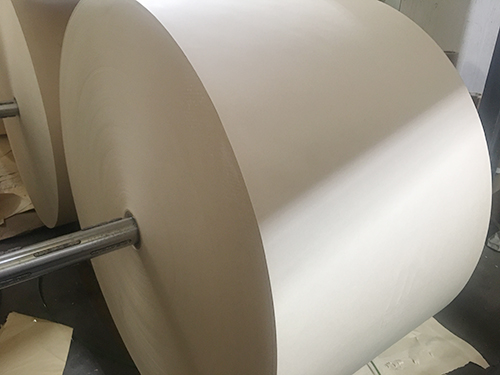
After people learned papermaking technology, they used the wood fibers of coniferous trees to make pulp through chemical methods, and then put them into a beater for refining. Then, they added rubber, dyes, etc. to make paper in a papermaking machine. Because the color of this kind of paper is yellowish brown, it is tough and looks like cowhide, so people call it Kraft paper.
As a commonly used packaging material, Kraft paper is usually yellowish brown. Semi bleached or fully bleached kraft pulp is light brown, cream or white. Quantitative 80-120g/m2. The fracture length is generally over 6000m. The tear resistance, rupture work, and dynamic strength are very high. Most of them are web paper, and there are also flat paper. It is made from sulfate coniferous wood pulp as raw material, beaten, and copied on a long web paper machine. Can be used as cement bag paper, envelope paper, adhesive sealing paper, asphalt paper, cable protection paper, insulation paper, etc.
In fact, the manufacturing methods of Kraft paper and ordinary paper are not much different. Why is Kraft paper stronger than ordinary paper? This is mainly because the wood fiber used for making Kraft paper is relatively long, and when cooking the wood, caustic soda and alkali sulfide chemicals are used to treat the wood, so their chemical action is relatively mild, and the original strength of the wood fiber is less damaged. Therefore, the paper made with this kind of pulp is closely dependent on the fiber, so Kraft paper is very strong.
Kraft paper is a tough and water resistant packaging paper, which is brown yellow and has a wide range of uses. It is often used to make paper bags, envelopes, record cases, files and sandpaper. There are differences between web paper and flat paper, as well as single sided light, double-sided light, and striped light. The main quality requirements are flexibility and toughness, high burst resistance, and the ability to withstand large tensile forces and pressures without breaking.
Kraft paper has high tension, including single light, double light, stripe, and no grain. Mainly used for packaging paper, envelopes, paper bags, and printing machine drum lining.