
Consulting service hotline:
+86 137-6017-7880
Consulting service hotline:
+86 137-6017-7880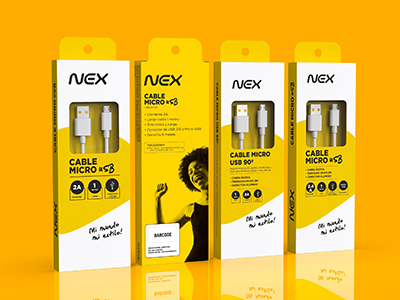
Packaging structure design is also known as packaging shape design. Packaging itself is an integral part of a product and serves as a medium between consumers and the product. When consumers purchase a product, the first thing they come into contact with is packaging. The design of packaging structure can have a significant impact on consumers both physically and psychologically. This article shares 6 elements of packaging structure design for everyone's reference and learning
Packaging structure design refers to the design of the external and internal structures of packaging based on scientific principles and the requirements of each part of the packaging structure, using different materials and forming methods. It is closely related to production processes, product costs, as well as the sales and transportation of goods. Therefore, packaging structure design should not only pursue formal beauty, but also practicality. The design of packaging structure can be achieved in various ways, pursuing the beauty of packaging's shape, material, and craftsmanship from multiple perspectives.
1. Line elements
Points, lines, and surfaces are important components in painting, while linear elements are the basic morphological elements in packaging structure. Lines can be roughly divided into two categories in packaging structure: one is body lines, and the other is decorative lines. Body lines are often called contour lines, and decorative lines are decorative elements on commodity packaging that do not change the shape.
2. Block design
The block composition method is also known as the block combination method or the block addition and subtraction method. Firstly, it is necessary to use a primitive block as the main prototype, and then add, subtract, or combine this primitive block to form a new structure. There are various ways to form blocks, often resulting in unexpected results. In the design process, it is important to avoid being too complicated, pay attention to the relationship between the parts and the whole, and pay attention to the sense of space and hierarchy. The packaging structure should be harmonious and unified.
3. Biomimetic elements
Biomimetic elements refer to structural elements obtained by simulating and refining the forms of animals, plants, etc. in nature. Making packaging shapes based on processed and refined forms often has a certain level of interest.
4. Texture elements
People can feel the softness and hardness, roughness and smoothness of objects through their sense of touch. When people purchase goods, they first see them, then touch them. You can influence your inner feelings by perceiving the texture changes on the surface of an object, and can transform them into visual and psychological perception through experience.
By processing texture elements in product packaging, visual contrast and tactile changes can be increased. Properly handled texture elements can make the product more distinctive, but if not handled properly, it may cause discomfort.
5. Transparent Element Space
The transparent method refers to the process of cutting through a complete packaging structure to create a porous or porous structure in the packaging form. The result obtained through this method is a spatial packaging structure.
6. Light and shadow elements
Light and shadow elements are commonly used in glass packaging. Designers often create certain sections or small structures on packaging, which can produce different effects under the illumination of light, making the product more three-dimensional, spatial, and mysterious, often giving consumers a luxurious and high-end visual experience.